
Ironmongery Shouldn’t Be an Afterthought
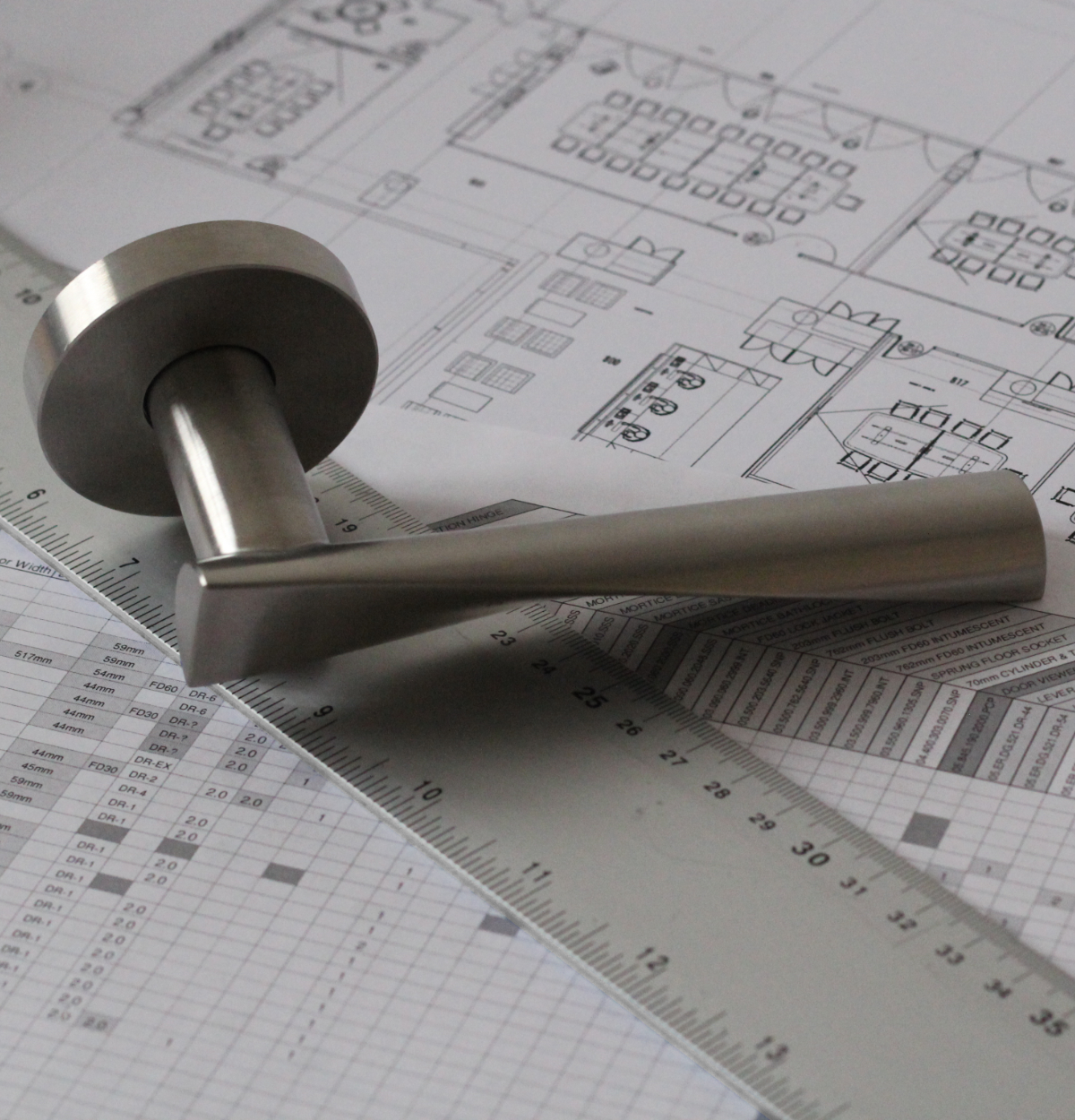
A door is often viewed as a small component within a much larger architectural scheme. Yet the ironmongery specified for that door has a significant influence on how the building performs, how it looks and, importantly, how people experience it.
From fire safety and accessibility to security, durability and aesthetics, architectural ironmongery plays a critical role in delivering a successful building.
The challenge is that these elements don’t exist in isolation.
Architectural ironmongery is integral to how a building functions, and careful coordination is essential to ensure every component works together to meet the project’s requirements.
Hinges must be appropriate for the door’s weight and frequency of use. Closers must achieve the required performance while supporting accessibility. Locks, access control and automation must operate seamlessly together, with all hardware compatible with the door and frame detailing and performance requirements.
All of this must be achieved while respecting the architectural design intent.
But good architectural hardware specification isn’t just about achieving the right performance on day one. It’s also about ensuring that performance is maintained throughout the life of the building.
The initial cost of quality ironmongery is often less than 1% of a building’s total construction value, yet poorly specified door hardware can account for a disproportionate share of ongoing maintenance costs.
Premature component failure, frequent adjustments, replacement parts and repeated callouts can quickly outweigh any savings made during procurement. Selecting the right products for their application, anticipated usage and operating environment helps reduce these costs, minimise disruption and deliver better long-term value.
The true cost of ironmongery isn’t simply what it costs to purchase, but what it costs to maintain over the building’s lifetime.
That’s why bringing an architectural ironmongery specialist into the project early can add real value.
Not simply to select a handle, but to help interrogate the requirements, co-ordinate the hardware, consider whole-life costs and identify potential issues before they become problems on site.
Good specification and ironmongery scheduling is about asking the right questions early.
What does this door need to achieve?
Who will use it?
How frequently?
What performance is required?
What maintenance demands will it create?
And how will all the components work together?
When ironmongery is considered as part of the design process rather than at the end of it, it becomes more than a finishing detail.
It becomes an integral part of the architecture.
Contact one of our team to discuss our Architectural Hardware Specification Service.